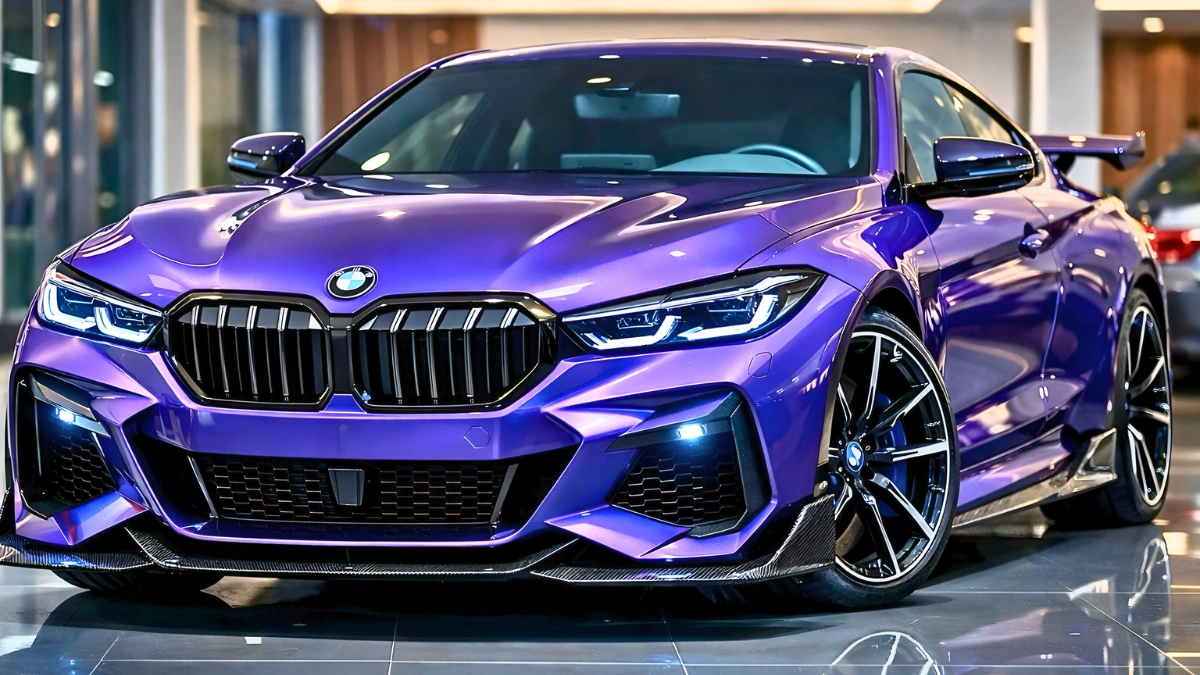
2026 BMW 3 Series Faces New C-Class: The premium sports sedan space is heating up again, and 2026 is bringing one of the most talked-about showdowns in the segment. The latest BMW 3 Series and the new Mercedes-Benz C-Class are both stepping forward with bold upgrades, sharper performance focus, and smarter technology. These are not just cars anymore; they are statements of personality, lifestyle, and driving philosophy. Buyers today expect excitement, comfort, innovation, and prestige in one package, and both brands are promising exactly that.
Design That Speaks Loudly
The 2026 BMW 3 Series carries forward its unmistakable athletic DNA, but with a cleaner and more confident look. Sharper headlights, a wider stance, and sculpted body lines give it a purposeful road presence. The new C-Class goes in a different direction, focusing on elegance and visual smoothness. Its flowing silhouette and refined detailing make it look expensive and modern. BMW appeals to drivers who like boldness, while Mercedes targets those who value timeless sophistication.
Driver Focus Comes First
BMW has always built cars around the driver, and the 2026 3 Series continues that tradition. The seating position, steering wheel placement, and dashboard layout feel intentionally designed for control and engagement. Mercedes-Benz, however, prioritizes comfort and ease. The C-Class driving position feels relaxed and luxurious, perfect for long commutes. Both are comfortable, but BMW feels like it wants you involved, while Mercedes prefers to keep things calm and effortless behind the wheel.
Steering Feel Still Matters
Steering is one of the biggest emotional differences between these two sedans. The BMW 3 Series delivers sharp, precise feedback that makes the car feel alive on winding roads. It responds instantly to small inputs, giving drivers confidence. The C-Class has improved steering accuracy compared to previous generations, but it remains softer and lighter. Mercedes tuning favors smoothness over sportiness, making it ideal for city driving and highways rather than aggressive cornering.
Engine Character Feels Different
Under the hood, both sedans use advanced turbocharged engines designed for power and efficiency. The BMW 3 Series engines feel eager and energetic, delivering quick acceleration and a sporty exhaust note. Power builds smoothly but with urgency. The C-Class engines are more refined and quieter, focusing on seamless performance. Mild-hybrid systems assist both models, improving fuel efficiency and responsiveness. BMW excites the senses, while Mercedes impresses with polished power delivery.
Suspension Balances Comfort Sport
Ride quality is where these sedans show their engineering philosophies. The BMW 3 Series offers a firm yet controlled suspension that keeps the car planted without feeling harsh. It encourages confident driving on twisty roads. The C-Class feels softer and more forgiving over bumps, making daily driving more relaxing. Mercedes absorbs road imperfections better, while BMW maintains better body control. The difference is subtle, but noticeable depending on your driving style.
Cabin Design Sets Mood
Inside the cabin, the BMW 3 Series feels clean, sporty, and functional. The layout is simple, with high-quality materials and a focus on usability. Everything feels where it should be. The C-Class interior is more dramatic, with flowing lines, premium textures, and ambient lighting that changes the atmosphere instantly. Mercedes creates a lounge-like experience, while BMW delivers a cockpit-like feel. Both are luxurious, but the emotional tone is completely different.
Screens Dominate The Experience
Technology plays a massive role in modern premium cars, and both sedans are packed with it. BMW’s curved digital display blends the instrument cluster and infotainment seamlessly, offering fast response times and intuitive menus. The C-Class counters with a large vertical touchscreen that feels futuristic and smartphone-inspired. Mercedes focuses on visual impact and voice control, while BMW prioritizes ease of use while driving. Tech lovers will appreciate both approaches.
Innovation Goes Beyond Screens
Beyond displays, innovation in 2026 is about smarter driving assistance and connectivity. The BMW 3 Series offers advanced driver aids that work quietly in the background, supporting rather than interrupting the driving experience. The C-Class takes a more proactive approach, with highly noticeable assistance features and detailed alerts. Mercedes feels more tech-forward, while BMW feels more driver-centric. Both enhance safety, but in very different ways.
Sound Quality Elevates Journeys
Audio systems are no longer a small detail in premium sedans. BMW tunes its sound systems to feel immersive without overwhelming the cabin. Music sounds crisp and balanced, even at higher speeds. The C-Class focuses on a richer, more theater-like sound experience, especially for rear passengers. Mercedes emphasizes comfort and ambiance, while BMW aligns sound quality with the driving mood. Long drives feel enjoyable in both, but the experience differs subtly.
Space Feels Well Managed
Passenger space is competitive in both sedans, with comfortable seating for adults in the front and rear. The BMW 3 Series offers slightly better legroom feel due to its seating posture and cabin layout. The C-Class feels more open visually, thanks to its design and lighting. Trunk space is practical in both, easily handling daily needs and weekend luggage. Neither car disappoints, but BMW feels more functional, while Mercedes feels more airy.
Brand Prestige Still Counts
Brand image continues to influence buying decisions in this segment. BMW represents performance, driving passion, and youthful energy. The 3 Series is often seen as a driver’s car with attitude. Mercedes-Benz stands for luxury, innovation, and legacy. The C-Class appeals to buyers who value refinement and social status. Both badges carry global respect, but they communicate different messages about the owner’s personality and priorities.
Ownership Experience Feels Premium
Owning a premium sedan is about more than driving. BMW focuses on service experiences that highlight performance and personalization. Mercedes emphasizes comfort-focused ownership, with attention to customer care and luxury touches. Maintenance costs, service quality, and dealer support play a big role in long-term satisfaction. Both brands aim to make ownership feel special, but their approach reflects their core brand philosophies.
Daily Driving Practicality
In real-world usage, both sedans are easy to live with. The BMW 3 Series feels agile in traffic, making city driving enjoyable despite its sporty nature. The C-Class excels in smoothness, reducing stress during long commutes. Fuel efficiency improvements in 2026 make both more economical than before. Whether it’s daily office runs or weekend highway trips, both cars adapt well, but with different emotional flavors.
Driving Emotion Defines Choice
Emotion is what ultimately separates these two rivals. The BMW 3 Series makes driving feel engaging, even on ordinary roads. It encourages you to take the long way home. The C-Class focuses on relaxation and confidence, making every journey feel refined. One appeals to the heart of driving enthusiasts, the other to those who see driving as a premium experience rather than a sport.
Final Word: 2026 BMW 3 Series Faces New C-Class
The 2026 BMW 3 Series and the new Mercedes-Benz C-Class continue their legendary rivalry with fresh energy and modern thinking. BMW delivers sharper driving feel, stronger engagement, and a performance-first mindset. Mercedes responds with advanced innovation, superior comfort, and a luxury-focused experience. There is no wrong choice here. The right sedan depends on whether you value excitement behind the wheel or refined comfort every day. Both set the benchmark for premium performance sedans in 2026.